Open Book and House Clipart Guide
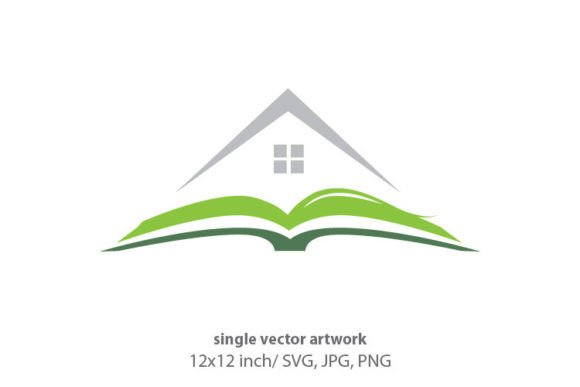
Digital design assets have become the backbone of modern creative projects, bridging the gap between conceptual ideas and polished final products. Among the vast array of available resources, specific thematic elements like an open book and house offer unique versatility. These symbols are not merely decorative; they carry deep semantic weight, representing knowledge, stability, home, and learning. When sourced as high-quality vector files, such as those created in Adobe Illustrator with an artboard size of 12 x 12 inches at 300 DPI, these graphics become powerful tools for a wide range of applications.
Understanding the technical specifications and potential uses of these clipart elements is essential for anyone looking to incorporate them into their work. Whether you are a seasoned graphic designer or a hobbyist creating handmade cards, the quality and format of your source files dictate the success of your project. This guide explores how different audiences can leverage open book and house vector graphics, ensuring that every user, from marketers to educators, can make informed decisions about their digital assets.
Understanding the Technical Foundation
Before diving into creative applications, it is crucial to understand what makes these specific files valuable. The mention of vector-based creation is significant. Unlike raster images, which are made of pixels and can lose quality when resized, vector graphics are built using mathematical paths. This means an image created in Adobe Illustrator can be scaled from the size of a postage stamp to a billboard without any loss of clarity or sharpness.
The specified resolution of 300 DPI (dots per inch) in an RGB color palette ensures that the files are optimized for both high-quality printing and vibrant digital display. While CMYK is traditionally used for professional printing, RGB files are standard for web use, digital invitations, and on-screen presentations. The availability of multiple file formats—SVG, JPG, and PNG—adds another layer of flexibility. SVGs are ideal for web developers and designers who need scalable code-based graphics. PNGs, with their transparent backgrounds, are perfect for layering elements in digital compositions, while JPGs offer a universal format for quick sharing and viewing.
Perspectives for Educators and Publishers
For educators, school administrators, and publishers, the imagery of an open book paired with a house is deeply symbolic. It represents the intersection of home and education, a theme particularly relevant for remote learning initiatives, library programs, and literacy campaigns.
- Curriculum Materials: Teachers can use these graphics to create engaging worksheets, reading logs, and classroom decorations that emphasize the importance of reading at home.
- Library Branding: Public libraries often host community events. Using consistent, high-quality vector icons helps maintain a professional brand identity across flyers, bookmarks, and social media posts.
- Educational Apps: Developers creating educational software can utilize SVG files to ensure crisp icons on various screen sizes, enhancing the user experience for students accessing content on tablets or smartphones.
The priority here is clarity and relatability. The graphics must be easily recognizable and convey a welcoming, educational atmosphere. The ease of editing vector files allows educators to customize colors to match school branding or specific thematic units without needing advanced design skills.
Applications for Entrepreneurs and Small Business Owners
Small business owners, particularly those in the real estate, publishing, or coaching sectors, find immense value in versatile clipart. An open book and house can symbolize knowledge applied to home life, such as in interior design consulting, real estate investing guides, or home schooling services.
For entrepreneurs, the commercial value of these assets lies in their adaptability. A real estate agent might use the house icon in combination with text to create "Just Sold" announcements or market report covers. Meanwhile, a life coach focusing on family dynamics could use the open book metaphor to represent writing one’s own story within the comfort of home.
Speed and reliability are key priorities for this group. Having access to ready-made, high-resolution files means they can produce marketing materials quickly without hiring a custom illustrator for every small project. The ability to download JPGs for immediate social media use or PNGs for layered email newsletters streamlines their workflow significantly.
Creative Uses for Hobbyists and Crafters
The rise of handmade crafts and personalized stationery has created a booming market for digital graphics among hobbyists. Individuals who create handmade cards, invitations, and party decor often look for elements that are both aesthetically pleasing and easy to manipulate.
Consider a crafter making invitations for a housewarming party. The combination of a house and an open book could suggest a theme of "new chapters" or "storybook beginnings." With files provided in PNG format, these users can easily drag and drop the elements into design software like Canva or Photoshop. They can add text, change background colors, and print the results on high-quality cardstock.
For those involved in jewelry making or scrapbooking, the precision of vector files allows for cutting machine compatibility. Although the primary files are SVG, JPG, and PNG, the vector origin means the shapes are clean and distinct, making them suitable for conversion into cut files for vinyl decals or paper crafts. The priority for this audience is often creativity and personalization, allowing them to produce unique items that stand out in a crowded marketplace.
Professional Designers and Web Developers
For professional graphic and web designers, the quality of the source file is non-negotiable. They evaluate assets based on flexibility, layer organization, and scalability. An Adobe Illustrator file, even if delivered as an SVG, offers the assurance that paths are clean and editable.
Web designers, in particular, benefit from SVG formats. These files are lightweight, load quickly, and remain sharp on retina displays. An open book and house icon could serve as a logo mark for a literary blog, a home decor website, or an online bookstore. The ability to style these vectors with CSS allows developers to change colors dynamically based on user interactions or site themes, enhancing the overall user interface.
Professionals also consider long-term usefulness. A well-designed vector asset can be repurposed across multiple client projects, adjusted for different brand guidelines, and integrated into complex layouts without degradation. This efficiency reduces production time and increases profitability for design agencies and freelancers.
Choosing the Right Format for Your Needs
With multiple file formats available, selecting the right one depends on your specific project requirements:
- SVG: Best for web design, logos, and projects requiring infinite scalability. Ideal for developers and designers who need to edit paths or colors programmatically.
- PNG: Perfect for digital composites, social media graphics, and presentations where transparency is needed. Suitable for bloggers, marketers, and crafters using standard design apps.
- JPG: Useful for quick previews, email attachments, and platforms that do not support transparency. Great for general consumers and quick sharing.
By understanding the strengths of each format, users can ensure their final output meets professional standards. Whether you are designing a complex website or a simple greeting card, the right file type simplifies the process and enhances the visual impact.
Final Thoughts on Versatility and Value
The open book and house clipart set exemplifies how simple symbols can carry complex meanings across diverse contexts. From fostering literacy in classrooms to branding real estate businesses, these graphics offer a blend of aesthetic appeal and functional utility. By prioritizing high-quality vector sources and understanding the nuances of file formats, users across all skill levels can unlock the full potential of these digital assets. Whether your goal is commercial success, educational engagement, or creative expression, these elements provide a solid foundation for your next project.