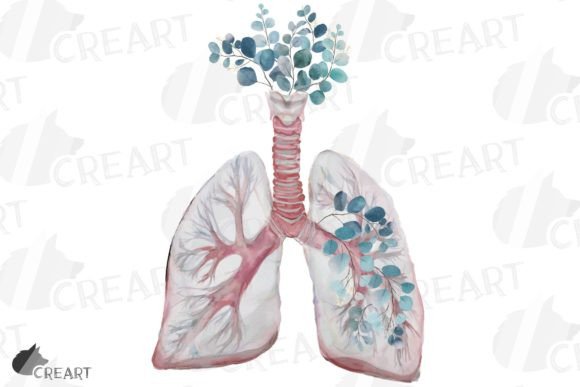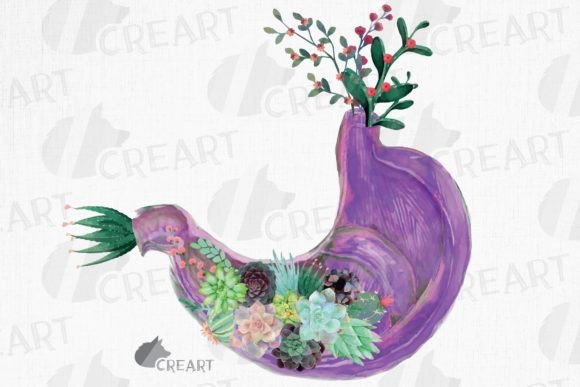
Succulent, Cactus Anatomical Stomach Art: A Guide to Unique Floral Digestive Decor
The intersection of botanical illustration and medical anatomy has created a fascinating niche in modern design. Succulent, Cactus Anatomical Stomach Art represents more than just a quirky visual trend; it is a sophisticated blend of organic beauty and scientific precision. This specific style of floral human digestive system printable anatomy clip art appeals to a wide audience, from gastroenterologists looking for unique office decor to creative entrepreneurs designing sublimation products. However, integrating these intricate designs into professional or personal projects requires more than just a simple download. Understanding the technical nuances and aesthetic considerations can mean the difference between a polished final product and a disappointing result.
Understanding the Appeal of Botanical Anatomy
Why are creators and consumers drawn to this specific juxtaposition? The human stomach, often depicted in sterile, clinical diagrams, is reimagined here through the lens of nature. Succulents and cacti, known for their resilience and structural beauty, replace traditional tissue textures. This creates a visual metaphor that is both educational and artistic. For medical professionals, such as doctors and nurses, this art serves as a conversation starter and a personalized gift that reflects their profession without being overly graphic. For wedding planners and event designers, it offers a whimsical yet elegant theme for invitations and wall decor.
The versatility of floral wall decor featuring anatomical elements allows it to transcend typical genre boundaries. It fits equally well in a modern clinic, a bohemian home, or on a custom-printed tumbler. However, the effectiveness of this design relies heavily on the quality of the source file and the creator’s ability to adapt it to various mediums.
Common Pitfalls in File Selection and Usage
One of the most frequent mistakes beginners make when purchasing digital art is overlooking the file formats included in the package. Many users assume that a single image file is sufficient for all applications. This misconception can severely limit the usability of the artwork. For instance, using a low-resolution JPG for a large-format print will result in pixelation, ruining the crisp lines essential for anatomical accuracy. Similarly, attempting to edit a flattened PNG in a vector-based program is impossible without significant manual tracing.
Another common oversight is ignoring the background requirements. While many listings promise transparent backgrounds, not all files deliver this consistently across every format. If you are creating stickers or waterslide transfers for mugs, a white or textured background embedded in the file can create visible halos or unwanted borders. This detracts from the professional appearance of the final product. Always verify that the PNG file provided has a truly invisible background, allowing you to place the individual clip art on any color or surface seamlessly.
The Importance of Vector Formats for Scalability
For entrepreneurs and small business owners, scalability is crucial. You may start by printing small stickers, but later decide to create large banners or wrap a vehicle. Raster images (like JPG and PNG) lose quality when enlarged. This is where vector files become indispensable. A high-quality package should include SVG, AI, EPS, and DXF files. These vector objects can be resized without any quality loss, ensuring that the delicate spines of the cactus and the curves of the stomach remain sharp at any size.
Failing to utilize these vector formats can lead to increased costs and time wasted on redesigning assets. If you purchase a bundle that lacks an AI or EPS file, you may find yourself unable to change colors efficiently. In Succulent and cactus floral anatomical stomach decor design, color customization is often key to matching brand identities or event themes. Without editable vector layers, changing the green of a succulent to a muted sage or a vibrant teal becomes a tedious pixel-by-pixel task rather than a simple click.
Technical Considerations for Different Crafts
Different crafting methods require specific file types. Understanding these requirements before purchasing can save considerable frustration. For sublimation printing on tumblers and mugs, high-resolution PNGs with transparent backgrounds are ideal. However, for cutting machines used in vinyl decals or heat transfer vinyl (HTV), SVG and DXF files are necessary. These formats allow the cutting software to recognize the paths and cut around the design accurately.
A frequent error occurs when users attempt to use complex, multi-layered PSD (Photoshop) files for simple cutting tasks. While PSD files are excellent for detailed editing and compositing, they are not compatible with most cutting machines. Conversely, using an SVG for detailed photo editing limits your ability to adjust lighting, shadows, and texture. A comprehensive package should include a Photoshop file with layered elements, allowing for deep customization, alongside the vector formats for structural flexibility.
Ensuring Compatibility and Quality
Before finalizing a purchase, check the compatibility of the files with your preferred software. Not all programs open AI or Corel Draw compatible EPS files natively. Ensure you have access to Adobe Illustrator, CorelDRAW, or free alternatives like Inkscape that can interpret these vector formats. Additionally, verify that the JPG file provided is high-resolution. While JPGs are less flexible due to their solid backgrounds, they are useful for quick previews or web-based applications where transparency is not required.
Another critical aspect is the absence of watermarks and paper textures on the purchased items. Professional-grade digital assets should be clean and ready for immediate use. Any residual logo or texture can interfere with printing processes, especially on transparent materials like acrylic or glass. Always review sample images carefully to ensure the final product will be free of such distractions.
Maximizing the Value of Your Purchase
To get the most out of your Gastroenterologist medical printable wall decor or creative assets, consider the following best practices:
- Organize your files: Create a dedicated folder for each project, storing all formats (PNG, JPG, SVG, AI, EPS, PSD, PDF, DXF) together. This ensures you always have the right file type on hand.
- Test prints: Before committing to a large run of invitations or clothing, print a small test sample. Check color accuracy and resolution on the specific material you intend to use.
- Layer management: When using the PSD file, keep layers organized. Name them clearly to facilitate easy color changes and element adjustments.
- Vector editing: Learn the basics of vector editing. Being able to ungroup elements in an SVG or AI file allows you to isolate specific parts of the stomach or individual succulents for unique compositions.
By avoiding common mistakes and leveraging the full range of provided files, you can elevate your projects from amateur to professional. Whether you are creating web design elements, T-shirt graphics, or scrapbooking layouts, the right approach to Succulent, Cactus Anatomical Stomach Art ensures high-quality, visually striking results. Remember, the value of digital art lies not just in the initial design, but in its adaptability and ease of use across various platforms and mediums.
Ultimately, choosing the right digital asset involves looking beyond the preview image. Evaluate the file structure, format diversity, and editing potential. A well-prepared package empowers you to innovate, whether you are a seasoned designer or a hobbyist exploring new creative avenues. With the correct tools and knowledge, this unique fusion of flora and anatomy can become a standout feature in your portfolio or home.