Integrating Laboratory Motherboard Aesthetics into Modern Digital Design Workflows
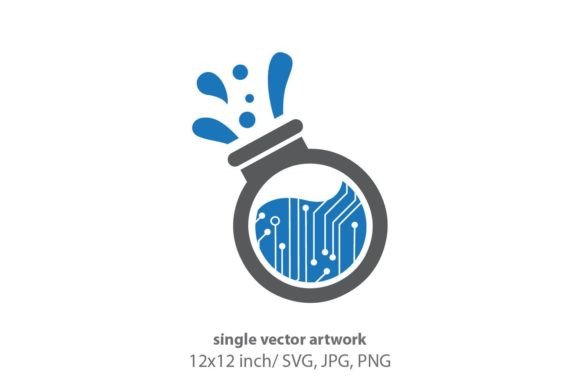
The intersection of high-precision technology and creative visual arts has opened new avenues for designers, educators, and hobbyists. At the center of this convergence is the concept of the Laboratory Mother Board, a visual motif that represents the intricate complexity of modern computing hardware. When translated into digital assets—specifically through vector artboards sized at 12 x 12 inches with a resolution of 300 DPI in RGB color palettes—these graphics become versatile tools for a wide array of applications. Understanding how to leverage these files, available in formats such as SVG, JPG, and PNG, requires a nuanced approach to both technical specifications and aesthetic intent.
For professionals and enthusiasts alike, the decision to utilize pre-made digital graphics versus creating custom illustrations from scratch is not merely a matter of convenience; it is a strategic choice involving time management, brand consistency, and technical compatibility. This article explores the distinct characteristics of laboratory motherboard clipart, evaluates its utility across different media, and provides a comparative framework to help you determine when these assets are the optimal choice for your projects.
Defining the Asset: Technical Specifications and Visual Identity
To effectively utilize Technology, Laboratory Mother Board graphics, one must first understand what constitutes a high-quality digital asset in this niche. These are not simple snapshots of computer parts. Instead, they are stylized representations created in professional vector programs like Adobe Illustrator. The core value lies in the scalability and precision of the vector format.
The standard specification for these assets often includes an artboard size of 12 x 12 inches. This square format is particularly advantageous for social media content, sticker designs, and symmetrical layout compositions. The resolution of 300 DPI (dots per inch) ensures that when these vectors are rasterized for print, the output remains crisp and free of pixelation. Furthermore, the use of the RGB color palette indicates that these files are primarily optimized for digital screens, web design, and projected displays, although they can be converted for print purposes with careful color management.
The file formats provided—SVG, JPG, and PNG—serve distinct functions. SVG (Scalable Vector Graphics) is the most flexible, allowing users to manipulate individual paths, change colors, and resize the image infinitely without loss of quality. JPG offers a compressed, lightweight option for quick web usage where transparency is not required. PNG provides a middle ground, supporting transparency which is essential for layering graphics over complex backgrounds in web design or digital invitations.
Comparative Analysis: Vector Assets vs. Custom Illustration
When deciding whether to incorporate pre-made laboratory motherboard clipart into your workflow, it is helpful to compare this approach against custom illustration. Both methods have distinct strengths and tradeoffs depending on the project scope.
- Time Efficiency: Pre-made vector assets significantly reduce production time. Creating a detailed, accurate representation of a motherboard with proper perspective and lighting can take hours in Adobe Illustrator. Using a pre-designed asset allows designers to focus on layout and composition rather than foundational drawing.
- Customization Limits: While SVG files are editable, they are bound by the original artist’s structural decisions. If a project requires a specific, non-standard arrangement of components or a unique artistic style that deviates from the "clean tech" aesthetic, custom illustration may be necessary.
- Cost Effectiveness: For small businesses, educators, or independent crafters, purchasing or downloading high-quality digital elements is far more cost-effective than hiring a specialized illustrator for one-off projects.
It is also important to compare these vector-based assets with photographic stock images. Photographs offer realism but lack the stylistic cohesion and ease of integration that vector graphics provide. Photos often require extensive editing to match a brand’s color scheme, whereas vector elements can be recolored instantly to align with corporate identity or thematic requirements.
Versatility in Application: From Web Design to Handmade Crafts
The utility of Technology, Laboratory Mother Board graphics extends far beyond traditional tech blogs or IT service websites. The clean lines and geometric precision of these vector elements make them suitable for a diverse range of creative outputs.
Digital and Web Design
In the realm of graphic and web design, these assets serve as excellent background elements, icons, or hero section features. The RGB color palette ensures vibrant display on monitors and mobile devices. Designers can use the SVG format to create interactive elements that respond to user actions, such as changing color on hover, enhancing the user experience without increasing page load times significantly.
Printed Media and Stationery
Despite being optimized for RGB, these files are highly effective for print when handled correctly. The 300 DPI resolution ensures that printed paper items, such as business cards for tech startups, stationery, and announcements, maintain high fidelity. The sharp edges of vector graphics translate well to offset and digital printing processes, providing a professional, polished look that photographs sometimes fail to achieve due to compression artifacts.
Handmade Crafts and Party Decor
For the DIY community, these digital graphics are invaluable resources. Crafters can use the PNG files with transparent backgrounds to create custom invitations, handmade cards, and party decor for themed events, such as STEM birthday parties or tech-focused corporate gatherings. The 12 x 12 inch artboard size is particularly compatible with standard cutting machines used for vinyl decals and paper crafts. Additionally, these designs can be adapted for jewelry making, where small, intricate details of circuit boards can be printed on resin pendants or engraved onto metal surfaces.
Evaluating Fit: When to Use These Assets and When to Look Elsewhere
Making an informed decision about resource allocation involves recognizing when these specific assets are the right fit and when alternative approaches might yield better results.
Best-Fit Situations:
- Brand Consistency: If you are developing a brand identity for a technology consultancy, coding bootcamp, or electronics repair service, these graphics provide an immediate visual shorthand for "technology" and "precision."
- Educational Materials: Teachers and trainers creating worksheets, presentations, or online courses about computer hardware can use these simplified, clear illustrations to explain concepts without the visual noise of real-world photography.
- Rapid Prototyping: Marketing teams needing quick visuals for social media campaigns or email headers can benefit from the plug-and-play nature of JPG and PNG files.
Limitations and Alternatives:
However, there are scenarios where these assets may fall short. If the project demands photorealism—for instance, a technical manual requiring exact identification of physical ports and chips—photographic references or CAD-generated renders are more appropriate. Similarly, if the design goal is to evoke a retro, gritty, or organic feel, the clean, sterile aesthetic of laboratory motherboard vector art may clash with the intended mood. In such cases, exploring grunge textures, hand-drawn sketches, or abstract digital art might be more suitable alternatives.
Another consideration is licensing. While many digital graphics are available for commercial use, it is crucial to verify the specific license terms associated with the files. Some creators restrict the use of their assets in certain contexts, such as resale of the raw digital file or use in trademarked logos. Always ensure that your intended use case—whether for wall art, web design, or printed items—aligns with the provider’s permissions.
Practical Tips for Integration and Optimization
To maximize the value of these digital graphics, consider the following practical steps during your design process:
- Color Harmony: Although the files come in an RGB palette, do not hesitate to adjust the hues to match your project’s specific color scheme. In Adobe Illustrator or similar software, use global color swatches to ensure that changes to the motherboard graphic reflect across all instances in your design.
- Layering and Depth: Use the transparency features of PNG files to layer multiple elements. Combining a motherboard graphic with subtle gradient overlays or shadow effects can add depth and prevent the design from appearing flat.
- Resolution Management: When exporting for web, optimize the JPG or PNG files to balance quality and file size. For print, ensure that any scaling up from the original 12 x 12 inch artboard does not exceed the effective resolution limits of your printer, although vector sources mitigate this risk significantly.
- Contextual Relevance: Ensure that the complexity of the graphic matches the surrounding content. A highly detailed motherboard illustration might overwhelm a minimalist webpage, while a simplified icon might get lost in a dense poster design. Adjust the scale and detail level accordingly.
In conclusion, Technology, Laboratory Mother Board digital graphics offer a robust, flexible solution for a wide spectrum of creative and professional needs. By understanding the technical specifications, comparing them against alternative resources, and applying them with strategic intent, designers and creators can enhance their projects with clarity, professionalism, and visual appeal. Whether for a high-stakes corporate presentation or a handmade gift, these assets bridge the gap between technical precision and artistic expression.