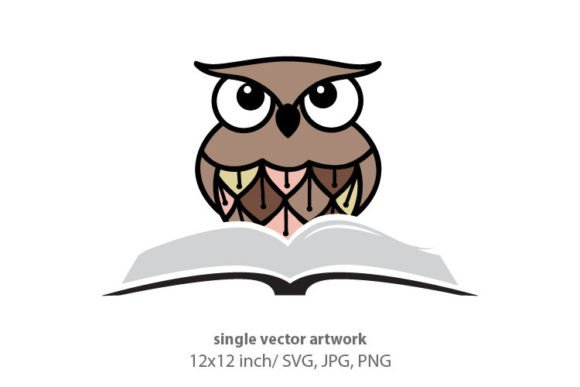
Owl & Book: Smart Design Assets
In the competitive landscape of modern visual communication, the fusion of wisdom and learning creates a powerful narrative. The combination of an owl and a book serves as an enduring symbol for education, instantly conveying authority, intelligence, and academic excellence. For graphic designers and brand strategists, leveraging this iconic imagery through high-quality digital assets is not just about aesthetics; it is about establishing immediate trust and clarity with your audience.
When integrating the theme of Owl and Book, Education into your creative workflow, the quality of your source files determines the versatility of your final output. Professional-grade clipart, specifically vector-based illustrations, offers the scalability required for diverse applications. Whether you are designing a subtle icon for a mobile app or a large-format banner for a university campus, starting with robust creative assets ensures that your visual identity remains crisp and professional at any size.
The Power of Vector Precision in Brand Identity
Vector graphics are the backbone of effective logo design and brand identity systems. Unlike raster images, vectors use mathematical paths to define shapes, allowing them to be scaled infinitely without losing resolution. When you utilize files created in Adobe Illustrator, such as those with an artboard size of 12 x 12 inches at 300 DPI, you gain complete control over every anchor point and curve. This precision is vital for maintaining a polished look across all touchpoints.
For educational institutions, tutoring services, or literary brands, the owl and book motif provides a strong foundation for branding. By using SVG, JPG, and PNG formats derived from original vector work, designers can ensure compatibility across various platforms. The RGB color palette allows for vibrant, screen-optimized displays, making these assets ideal for digital marketing campaigns, social media graphics, and web design projects where color fidelity is paramount.
Versatile Applications for Creative Projects
The utility of high-resolution digital graphics extends far beyond simple logos. These elements are designed to be modular, allowing creators to adapt them for a wide array of mediums. Here is how you can maximize the value of these design resources:
- Print Design and Stationery: Use the high-resolution PNG and JPG files for printed paper items, including invitations, announcements, and handmade cards. The 300 DPI resolution ensures that details remain sharp on physical materials.
- Web and UI Design: Implement SVG files for website icons and UI elements. Scalable vectors load quickly and look perfect on retina displays, enhancing user experience and visual hierarchy.
- Merchandise and Craft Items: From wall art to jewelry and party decor, these graphics can be applied to handmade craft items and printed products, adding a professional touch to retail offerings.
- Social Media Content: Create engaging posts and stories by incorporating these visuals into your digital marketing strategy. The clean lines and classic symbolism resonate well with audiences seeking educational content.
Enhancing Visual Hierarchy and Composition
Effective graphic design relies on more than just attractive imagery; it requires thoughtful composition. When using owl and book illustrations, consider how they interact with typography and negative space. A well-balanced layout guides the viewer’s eye and reinforces the message. For editorial design and packaging design, ensure that the clipart complements rather than overwhelms the text. The goal is to achieve a harmonious blend where the visual elements support the overall narrative.
Color psychology also plays a crucial role. While the default RGB palette offers flexibility, adjusting hues to align with your brand’s existing color system can create a cohesive look. For instance, deep blues and golds may evoke tradition and prestige, while brighter tones might suggest innovation and approachability. Consistency in color usage strengthens brand recognition and aids in creating a memorable visual identity.
Selecting the Right Assets for Your Workflow
Not all digital graphics are created equal. When evaluating resources for your design workflow, prioritize files that offer transparency and layer organization. PNG files with transparent backgrounds are essential for seamless integration into complex layouts, while SVGs provide the flexibility needed for responsive web design. Always check the resolution and format compatibility to ensure smooth integration into your preferred design software.
Furthermore, consider the style of the illustration. Modern aesthetics often favor clean lines and minimalism, which align well with contemporary UI and UX design trends. However, more detailed, textured approaches may suit traditional print design or specific branding needs. Understanding your audience expectations and design goals will help you select the most appropriate visual style for your project.
Ultimately, the right creative assets empower designers to communicate more effectively. By choosing high-quality, vector-based illustrations of owls and books, you invest in the longevity and adaptability of your designs. These elements do more than decorate; they articulate values of knowledge and growth, enhancing both the aesthetics and the communicative power of your creative projects. Thoughtful selection and application of these tools lead to superior design outcomes that resonate with viewers and elevate brand presence.